Table of Contents
It means you can make brand-new, better choices and stop falling under old routines. Research reveals that familiarizing psychological patterns is a core favorable effect of therapy. Therapy can't make all of life's challenges disappear, yet it can help you begin replying to hard individuals or situations in much healthier, more efficient means.
Development in treatment is constantly a positive indicator. It suggests you're boosting and relocating ahead, and it reaffirms that you're being supported where you are now, not where you were when you began. Achieving your first objectives and setting new ones with your specialist demonstrates real momentum in your recovery journey.

Progression in therapy is seldom, if ever, linear. This means points will not constantly happen in a straight line or in a predictable method. You could have obstacles, regressions, or tough minutes along the way, however it is necessary to keep in mind that these belong to the process, not a sign of failure.
Are you taking into consideration treatment however are unclear how commonly you should go to sessions? In this post, we will discover the question: Just how frequently should you go to therapy sessions?
Specialized Wellness Solutions
The reason is straightforward: treatment is a practice. Just like meditation, yoga, exercise, writing, or any kind of other technique, it needs uniformity of immersion with a great deal of technique to discover and internalize the technique.
This will certainly encourage you to make options that seem like your options (not just adjustments to the demands of other individuals). As you find out to identify and browse the intricacies of your internal world via of treatment, you will discover better credibility and imagination in job and in your relationships.
We motivate you to talk to among our therapists to figure out the best regularity for you. It is additionally important to acknowledge that, in situations of monetary challenge, a number of our therapists can and will fit a minimal frequency of treatment. Our company believe that it is very important to meet you where you are and to relocate at the rate you identify, as you start this profound trip.
Lots of people most likely to treatment when a week, and some might also go twice a week if they are handling acute distress or have intensive treatment objectives. However, as they proceed, these sessions may come to be much less regular. For those with much less pressing concerns who just attend therapy for continuous upkeep, bi-weekly and month-to-month sessions are enough.
Resolving Difficult Emotions using Effective Therapy
There isn't just one element dictating the number of times one should go to treatment, however numerous various aspects that play a duty in identifying therapy regularity. These factors can be inner (personal battles, motivations, etc) and external (restorative aspects). By comprehending these elements, you will certainly understand why your therapist develops a particular routine and why that routine is most suited to your healing trip.
In such instances, twice-weekly sessions might be needed. Satisfying the therapist a lot more regularly in the onset of treatment is commonly advised. Maybe on a regular or twice monthly basis, and the factor for this is basic: the extra you meet the therapist, the quicker the restorative bond can be developed.
Valuing in Your Growth
The regularity of treatment sessions likewise boils down to what treatments are being utilized. Various treatment strategies have various session frequency suggestions since some can be extensive while others may not be. Psychoanalysis typically needs several sessions a week, while psychodynamic therapy (what we provide at Deepness Counseling) may require just regular sessions.
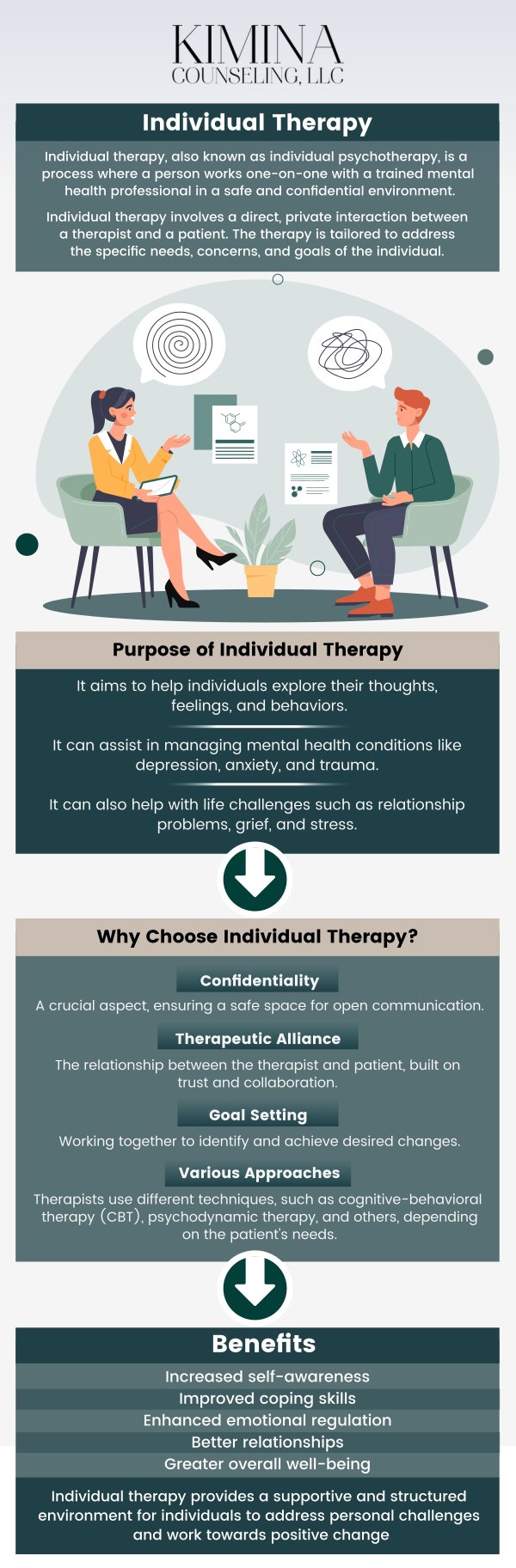
Your budget plan, job routine, personal schedule, and the range between your home and the center need to all be talked about with your specialist. This is essential for establishing a therapy schedule that keeps you committed without adding any type of excessive stress and anxiety. No matter the psychological wellness problem, participating in once a week therapy sessions can be advantageous for all those who on a regular basis most likely to therapy.
The Correlation Between High Standards and Mental Strain
When therapy sessions are scheduled at a set interval, it allows you and the specialist to establish a stronger alliance, which, consequently, produces better count on much less time. This develops a safe space where you can process and review your experiences, ideas, and sensations with your therapist to ensure that they can acquire understanding into your battles.

As you meet your therapist much more regularly, the probability of concerns going unaddressed, however little, is low. With regular once a week follow-ups, the specialist can review the progression made and strengthen coping systems and brand-new understandings considered needed for causing lasting changes. A therapistclient partnership is started on depend on, and without normal conferences, it can be hard to develop that trust fund.
Unease Shouldn't Constrain Your Days
When you feel comprehended and unconditionally sustained, you can share your ideas, sensations, and battles without appointment. For intimate conversations to stream openly, it is necessary to have a helpful atmosphere where personal expression is not suppressed by judgment. One means to produce such a safe space is to meet your specialist regularly to review your concerns and find resolutions while devoted to you.
It is a crucial component of mental health treatment that can have an extensive influence on a person's overall health. Identifying will be needed is a recurring process that may need adjustments along the method. It is important to take note of signs that show the demand to raise or reduce the.
Discuss your worry about your specialist and discover the possibility of more intensive therapy. If you find yourself experiencing boosted distress, increased signs and symptoms, or a worsening of your psychological health problem, it might suggest the demand for more regular treatment sessions. Interact these modifications to your therapist so that they can change your therapy strategy as necessary.

Table of Contents
Latest Posts
Therapeutic Resistance and Addressing in Psychodynamic Therapy for Family therapy
Transforming Patterns of Relationship Distress Through Grief Therapy
Integrated Trauma Treatment: An Extensive Strategy to Recovery at Every Heart Dreams Counseling
Navigation
Latest Posts
Therapeutic Resistance and Addressing in Psychodynamic Therapy for Family therapy
Transforming Patterns of Relationship Distress Through Grief Therapy
Integrated Trauma Treatment: An Extensive Strategy to Recovery at Every Heart Dreams Counseling