Table of Contents
The solution to this question is in some cases much more complex than the person asking might realize. AdvertisementCleveland Facility is a non-profit academic medical. Advertising and marketing on our website helps support our mission.
And while that makes these problems sound really various, they are a lot more intertwined than they might seem. And they typically happen with each other. Psychiatrist Karen Jacobs, DO, gives us an introduction of what stress and anxiety and depression are, exactly how they show up in various ways, just how they can be relevant and how to tell the distinction in between both.
Stressing over circumstances or outcomes. Indecisiveness. Fear. Inability to loosen up. Sensations of uneasyness. Difficulty focusing or physical anxiety. Furthermore, there's a multitude of physical signs and symptoms that can occur with anxiety, consisting of: Muscle stress. Chest rigidity. Feeling conveniently worn out or fatigued. Heart palpitations. Shortness of breath. A long term state of anxiety, which frequently activates your fight-or-flight reaction, can have significant repercussions on your health.
Navigating Complex Trauma Via Evidence-Based Treatment
Jacobs says it's so vital to seek treatment if you're experiencing these signs and symptoms. An anxiety diagnosis goes far past simply having the blues.
Trademark indicators of clinical depression consist of: Feelings of unhappiness and sadness. Feeling like small jobs take added effort. Anxiousness and clinical depression are both typical psychological wellness conditions that can impact your capacity to go about your everyday jobs and live your life fully.
Healing From Early Trauma Through Evidence-Based Mental Health Counseling
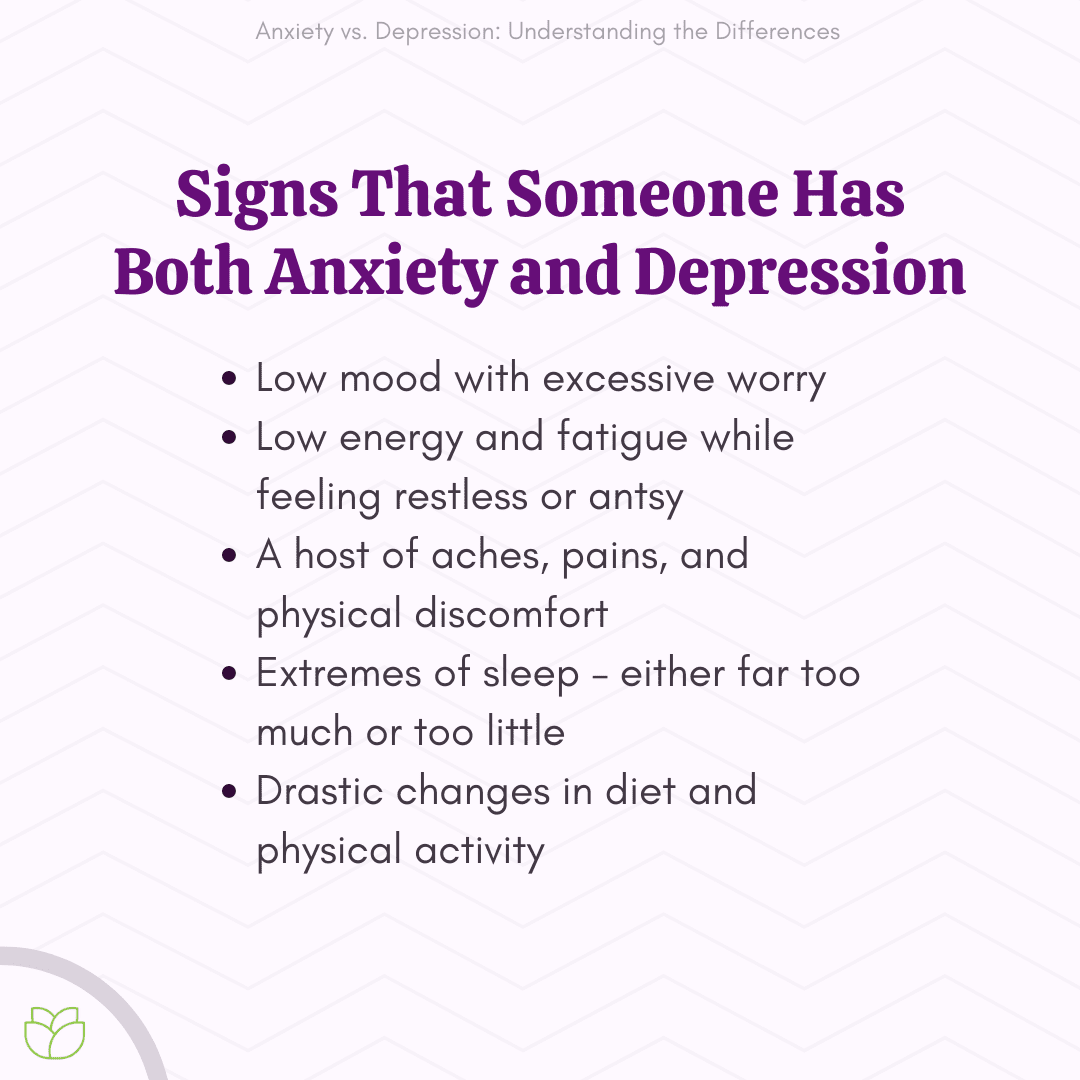
Both anxiety and clinical depression can cause: Digestive issues. If you're experiencing any of these symptoms, it's important to allow a health care carrier recognize. If you're experiencing changes in your state of mind and you're attempting to arrange out whether it might be depression or stress and anxiety or both pay attention to your energy level and your perspective toward the future.
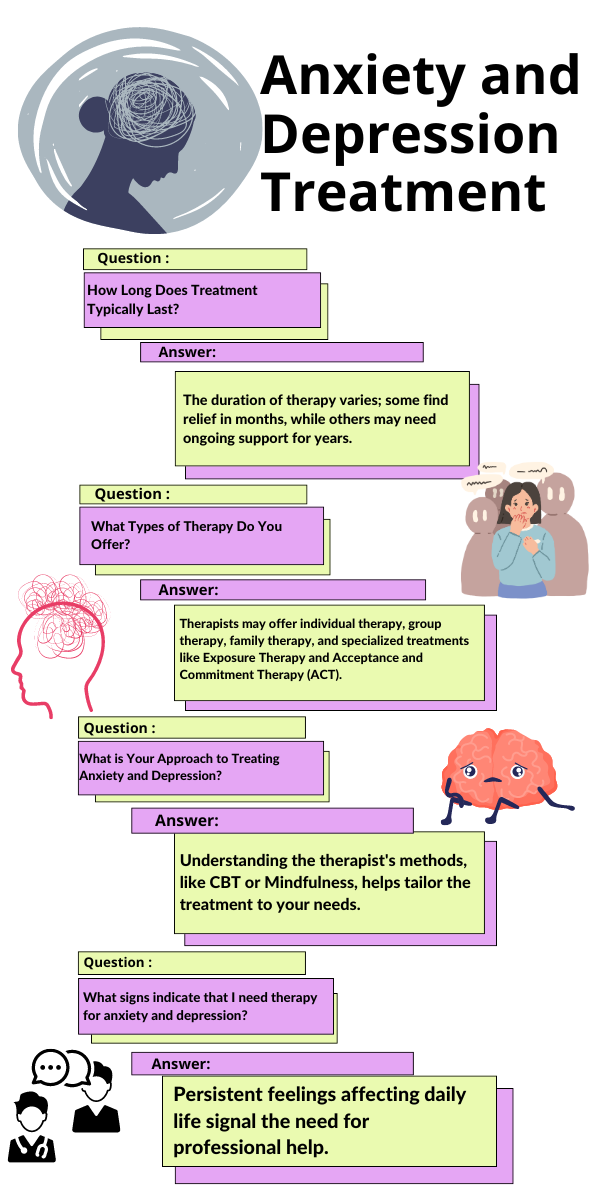
Anxiousness can cause you to feel high-strung and stimulated, commonly sustained by competing ideas and concern. One more large difference between stress and anxiety and depression also can be found in the treatment of each condition. It is very important to talk to your therapist, psychoanalyst or doctor to ensure you're obtaining the right therapy.
Embodied Work to Emotional Dysregulation
We're trying to figure out which one happened first, and then if one triggered the various other," describes Dr.
Positive Outcomes From Couples Counseling Promotes Clarity In Financial Stress in Singapore

When this happens, you can also be likewise greater risk higher threat. In this scenario, intensive treatment can be extremely helpful for managing depression come with by distressed distress, so it's vital to get to out for aid. Whether they take place together or individually, depression and anxiety are both treatable.
Stress and anxiety disorders usually go hand in hand with depression. Anxiety and anxiety are commonly referred to togetherWith each other but yet are not the sameExact same If you drop into any of the groups gone over below, you might be extra prone to stress and anxiety or anxiety(or both)compared to others: Females are extra likely to be identified with anxiety conditions contrasted to guys.

Navigation
Latest Posts
Creating Adaptive Capacity Using Comprehensive Treatment for Optimal Results
Coping Tools in Somatic Therapy: After the Therapy Room
Managing Intrusive Thoughts & Emotional Trauma