Table of Contents
Clients could not also realize that their present signs and symptoms are linked to previous distressing experiences. As a specialist, identifying these subtle indications permits you to provide ideal assistance and overview your clients towards healing. Unresolved injury can substantially impact a client's progression in therapy, producing barriers that impede development and healing.
CBT aids customers in transforming trauma-related ideas and ideas that add to their distress. Via cognitive restructuring, customers discover to determine and test unhelpful thoughts, replacing them with more well balanced and practical point of views. Mindfulness and body understanding techniques aid customers resolve physical injury actions by increasing their capacity to regulate their nerves.
Certain treatments like eye motion desensitization and reprocessing (EMDR) and trauma-focused cognitive behavior treatment (TF-CBT) directly address injury memories and their associated emotions. These techniques assist customers refine terrible experiences in a risk-free and regulated way, decreasing the intensity of their trauma actions with time. When collaborating with clients who have actually experienced trauma, it is necessary to pace the restorative procedure according to their specific needs and readiness.
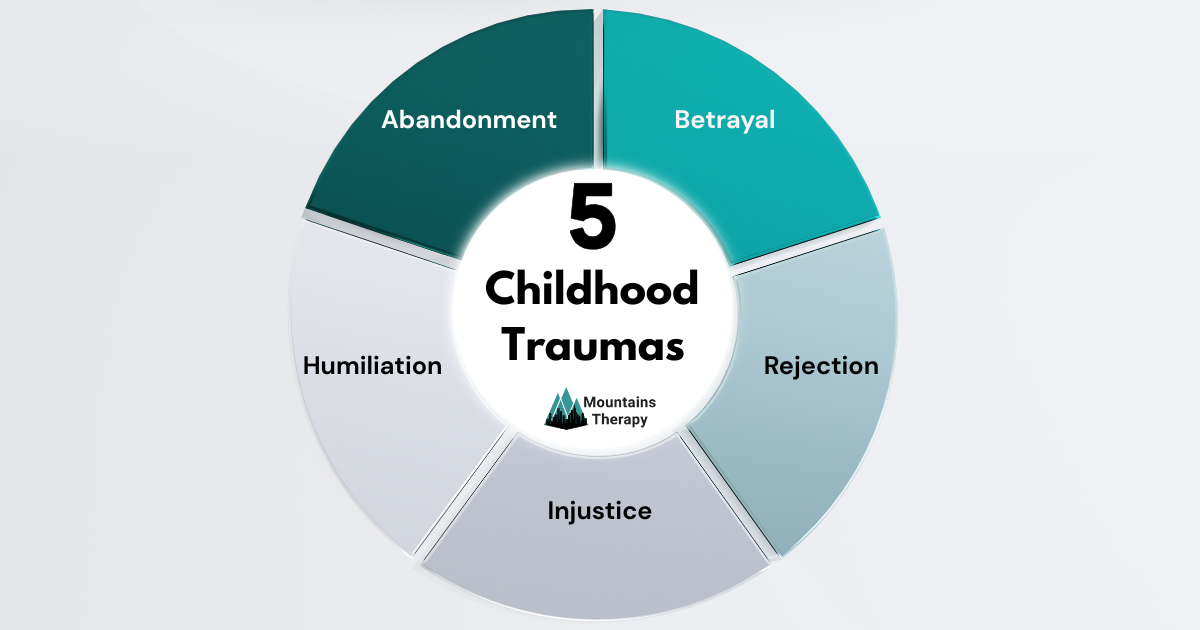
Producing a risk-free, predictable, and helpful environment is necessary for clients to feel comfy exploring their trauma and creating brand-new coping approaches. This entails developing clear limits, keeping uniformity in sessions, and offering a non-judgmental area where customers really feel listened to and validated. The specialist plays a vital function in creating safety and depend on, which are vital for recovery injury.
Why Somatic Approaches Helps for Transitions Therapy
Trauma survivors often battle with feelings of shame, regret, or self-blame associated to their trauma. Therapists can assist ease these feelings by: Acknowledging that injury responses are regular reactions to abnormal events. Reinforcing that the client is not to criticize for their traumatic experiences. Concentrating on the client's capacity to survive and seek aid.
Over time, this exposure can deeply influence a therapist's worldview, spirituality, and feeling of self. This includes: Normal workout, reflection, hobbies, and relaxation techniques can aid manage stress and anxiety degrees. Peer support teams, supervision, and personal treatment sessions offer opportunities to process psychological impacts and preserve wellness.
Cultivating Self-Acceptance for Neurological Variation
Dedicating time to individual relationships, rate of interests, and self-care tasks beyond job is important for general wellness. Therapists must additionally remain knowledgeable about their own psychological reactions and how vicarious injury might affect their method. This indicates acknowledging typical signs and symptoms such as unhappiness, anger, impatience, trouble concentrating, negative ideas, social withdrawal, exhaustion, and physical issues.
Supplying culturally receptive services that address historic injury and relocate beyond stereotypes. Specialists can make use of numerous methods to aid customers manage their injury reactions, such as grounding workouts, cognitive behavioral treatment, somatic methods, and trauma-focused therapies like EMDR and TF-CBT. Pacing the restorative procedure according to the customer's preparedness and preserving a foreseeable, helpful atmosphere are necessary for stopping re-traumatization and promoting a feeling of control.
You may experience: Chronic frustrations or migrainesMuscle tension, specifically in the neck and shouldersDigestive issues (like IBS or queasiness)Unusual chronic pain or fatigueIf doctors have actually told you your signs are "simply stress and anxiety," but absolutely nothing seems to assist, your body may be keeping trauma in ways you didn't understand. If any of this reverberates, treatment can help you comprehend, procedure, and recover.
It's an excellent inquiry, and one worth exploring deeply. While several of us utilize the words "injury" and "tension" as if they imply the exact same thing in daily discussion, there's really much even more to comprehend regarding how injury uniquely influences our psychological health and wellness.
Vagal Theory to ANS Regulation
Believe of trauma feedbacks as your mind and body's means of shielding you when something happens that really feels as well large to take care of. When we experience something frustrating or deeply upsetting, our brain kicks right into survival mode.
Persistent discomfort, exhaustion, muscle stress, sleep disruptions, changes in hunger, lightheadedness, heart palpitations, upper body discomforts, numbness, chills, and tremblings. Injury reactions can appear in everyday scenarios or throughout therapy sessions. Customers may become conveniently caused, closed down psychologically, or react strongly to particular topics. They may also experience invasive memories, "area out" during discussions, or battle to stay present because of psychological numbing or exhaustion.
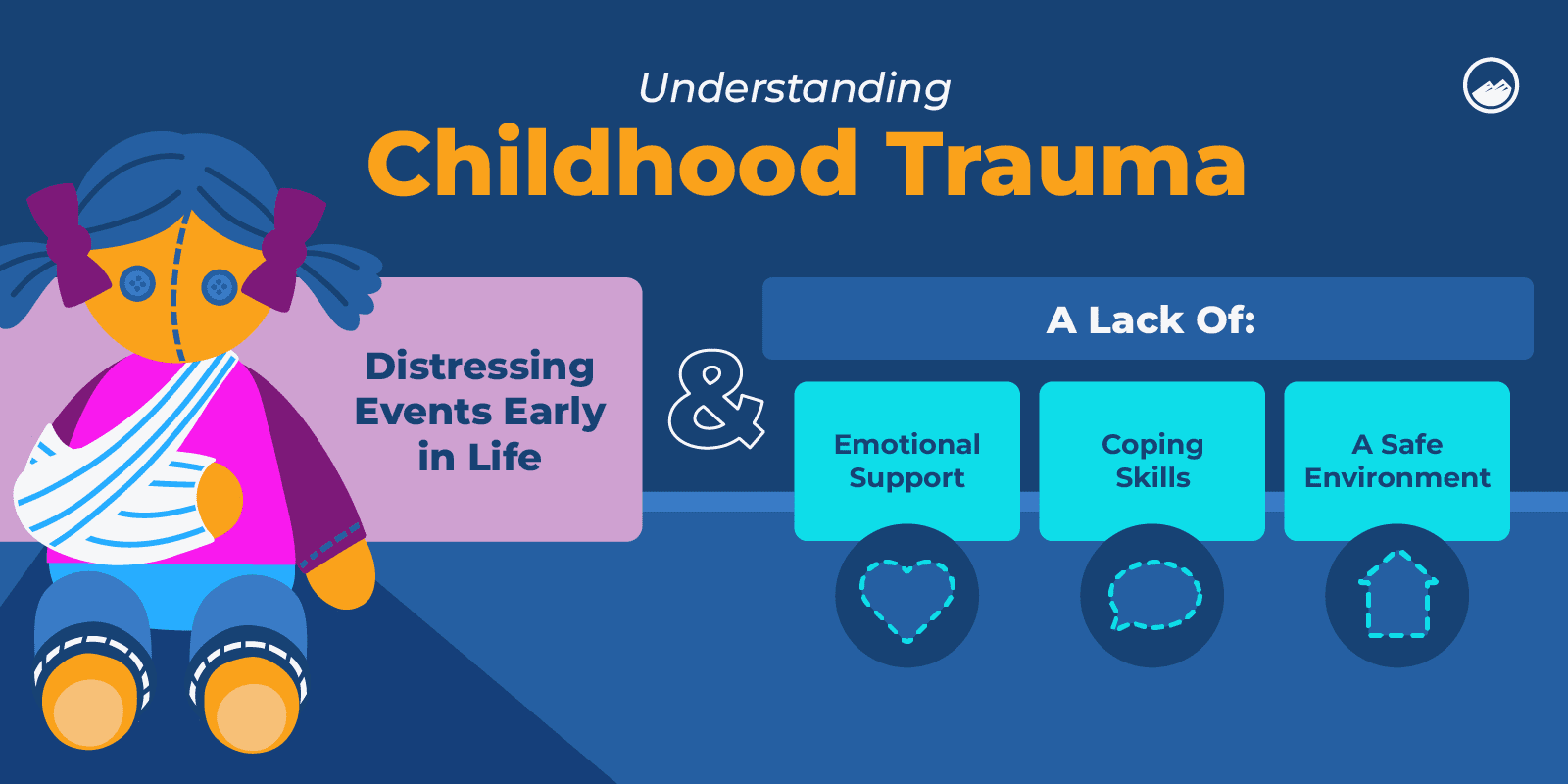
Clients could not even understand that their existing signs are linked to previous stressful experiences. As a specialist, acknowledging these refined indicators allows you to give appropriate support and guide your customers towards recovery. Unsolved injury can considerably impact a client's development in therapy, creating barriers that impede growth and recovery.
CBT aids customers in altering trauma-related ideas and beliefs that add to their distress. With cognitive restructuring, customers discover to recognize and challenge unhelpful thoughts, replacing them with more well balanced and realistic viewpoints. Mindfulness and body awareness practices help clients attend to physical trauma responses by boosting their capacity to regulate their nerve system.
Somatic Therapy for Anxiety Recovery
Particular therapies like eye motion desensitization and reprocessing (EMDR) and trauma-focused cognitive behavior modification (TF-CBT) straight address trauma memories and their connected feelings. These strategies assist clients refine distressing experiences in a secure and controlled fashion, decreasing the intensity of their injury actions over time. When working with clients that have actually experienced injury, it is necessary to pace the healing process according to their specific needs and preparedness.
Producing a risk-free, predictable, and encouraging environment is very important for customers to really feel comfortable discovering their trauma and establishing brand-new coping techniques. This entails developing clear boundaries, keeping uniformity in sessions, and offering a non-judgmental area where clients really feel heard and confirmed. The therapist plays a vital duty in developing safety and security and count on, which are crucial for healing trauma.

Navigation
Latest Posts
The Process as You Start Recovery Programs with Compassionate Providers
Restoring Interoceptive Integration
Adjusting Standard EMDR Protocols for Neurodivergent Clients